Underground hip hop (also known as underground rap) traditionally refers to hip hop music that is outside the general mainstream canon or counter-cultural in nature, usually with a heavy emphasis on emotion, lyricism, and/or social consciousness.
Being outside of the mainstream, it is common for artists or songs that are considered "underground" to have little commercial success, though this is not a requirement, as many have gained massive followings, especially in the streaming era. In recent years, the term has also been used to refer to hip hop subgenres that incorporate themes of trap, plugg, or rage which often feature melodic vocals with heavy use of Auto-Tune (or similar pitch correction tools) with virtually no focus on lyricism or connection to counterculture.
Despite little overlap between the traditional and modern definitions, both are still commonly used. "The Underground" also refers to the community of musicians, fans, and others that support non-commercial, or independent music. Music scenes with strong ties to underground hip-hop include alternative hip hop and conscious hip hop. Many artists who may be considered "underground" may not have been so, and may have previously broken the Billboard charts.
Style
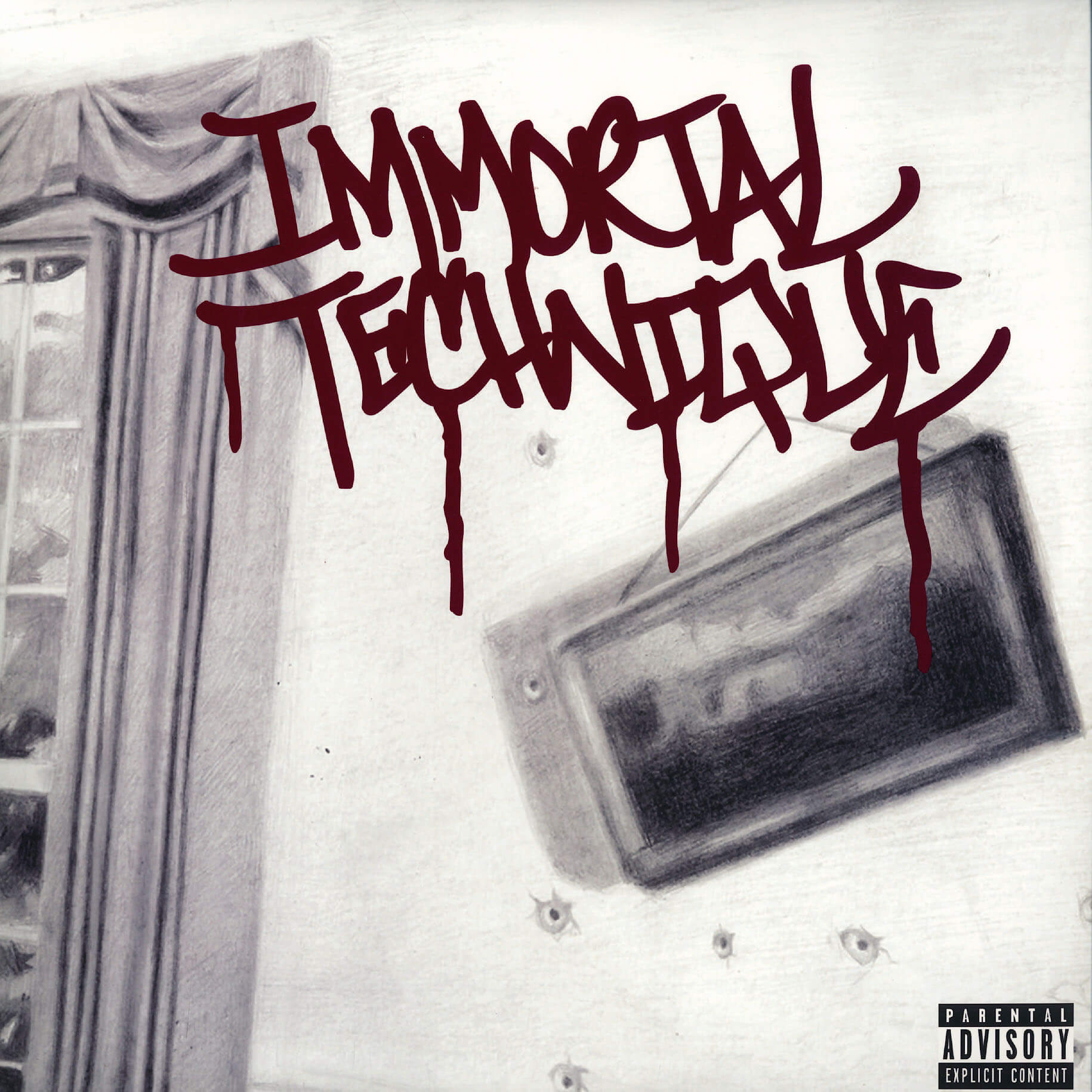
Underground hip hop encompasses several different styles of music. Numerous acts in the book How to Rap (2009) are described as being both underground and politically or socially aware, these include B. Dolan, Brother Ali, Diabolic, Immortal Technique, Jedi Mind Tricks, Micranots, Mr. Lif, Murs, Little Brother, P.O.S, Zion I, and Madlib.
Underground artists and groups with critically acclaimed albums include Atmosphere, Binary Star, Blu, Cannibal Ox, Company Flow, Del the Funky Homosapien, Roc Marciano, Danny Brown, Freestyle Fellowship, Hieroglyphics, Juggaknots, Jurassic 5, Kool Keith, Little Brother, MF Doom, Non Phixion, Planet Asia, RJD2, and MC TP.
Additionally, many underground hip hop artists and groups have been applauded for the artistic and poetic use of their lyrics, such as Aesop Rock, Aceyalone, Busdriver, Cage, CunninLynguists, Dessa, OhSo Kew, Doomtree, El-P, Eyedea & Abilities, Illogic, Onry Ozzborn, MF Doom, Rob Sonic, Billy Woods, and Sage Francis.
Some underground artists and groups produce music that celebrates the fundamental elements or pillars of hip hop culture, such as Artifacts, Dilated Peoples, People Under the Stairs, and Fashawn, whose music "recalls hip hop's golden age".
Early beginnings
In hip hop's formative years, the vast majority of the genre was underground music, by definition. Although the Sugarhill Gang gained commercial success in 1979, most artists did not share such prominence until the mid-1980s. Ultramagnetic MCs' debut album, Critical Beatdown (1988), can be seen as one of the earliest examples of "underground hip hop". New York underground rapper Kool Keith received notable success with his album Dr. Octagonecologyst, gaining more attention than any contemporary independent hip hop album "in a while". The Stretch Armstrong and Bobbito Show was a notable underground hip hop radio show that was broadcast on WKCR, and later WQHT, in New York City from 1990 until 1999. It featured rappers such as The Notorious B.I.G., Big L, Jay-Z, and Eminem, as well as groups like Wu-Tang Clan, Mobb Deep, Onyx, and Fugees, all before they gained their popularity. In 1999, Prince Paul and Breeze Brewin' created one of the first rap opera albums, named A Prince Among Thieves. Rolling Stone gave the album a 4.5/5.
In the late 1990s, progressive rap acts such as Black Star and Juggaknots helped inspire and shape the underground hip hop movement that would follow in subsequent decades.
Genres
- Rage
- Plugg
- East Coast hip hop
- Southern hip hop
- SoundCloud rap
- Trap
- Progressive rap
- Experimental
References
Further reading
External links
- Media related to Underground hip hop at Wikimedia Commons